

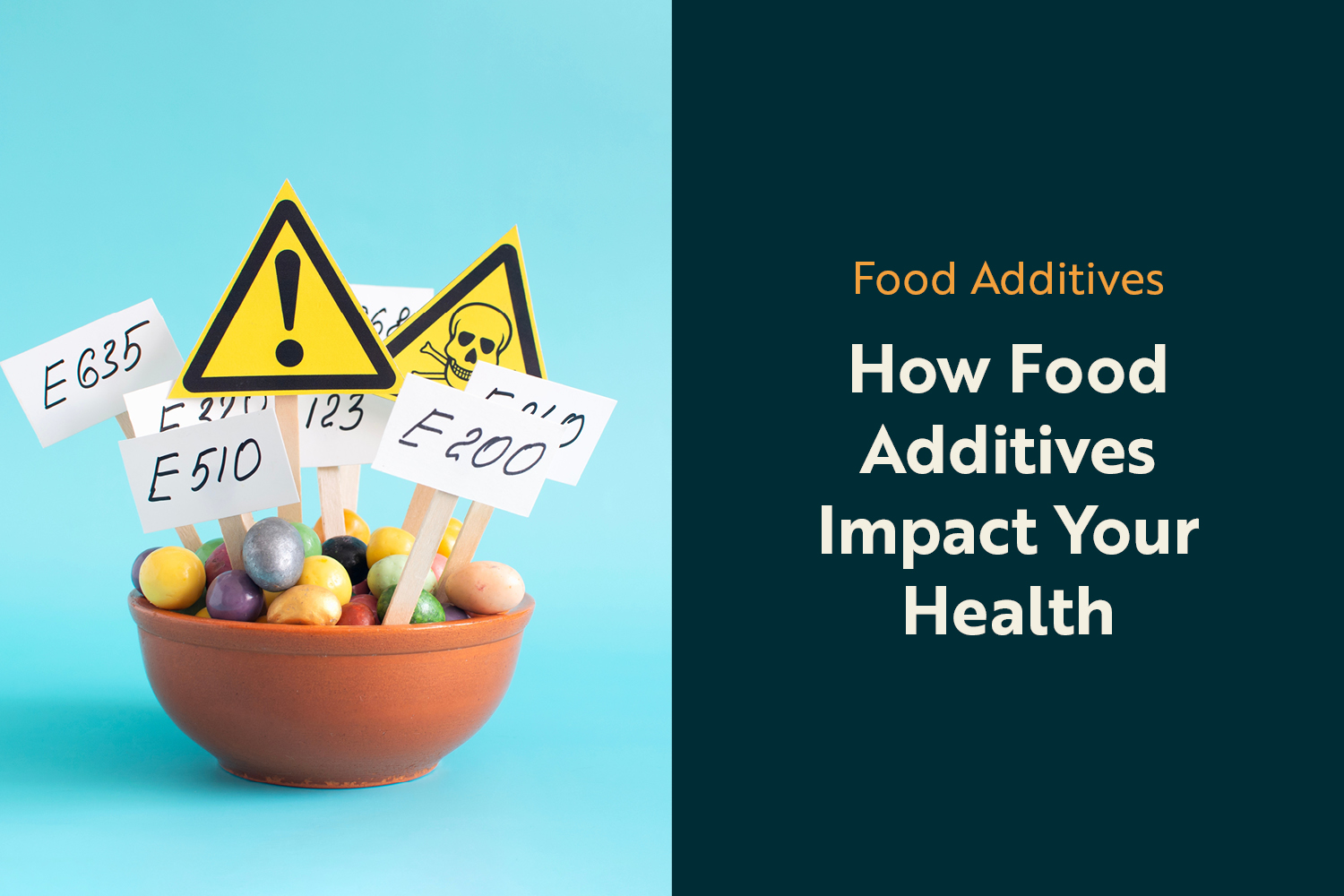
When we pick up a packet of food, our eyes often go straight to the calories, sugar, or fat. Yet the real story is often hidden in the fine print.
Ultra-processed foods contain a long list of additives that are unfamiliar and difficult to pronounce. These ingredients change how food looks, feels, and lasts, but they can also affect how our bodies function.
Preservatives extend shelf life and stop food from spoiling. Emulsifiers blend ingredients that would not normally mix, like oil and water.
Artificial colours and flavour enhancers make products look brighter and taste more appealing. These substances are added for appearance and texture, not nutrition.
Inside your gut lives a complex community of bacteria that helps digest food, supports immunity, and even influences mood.
Some research suggests that certain emulsifiers can disrupt this delicate balance. They may damage the protective mucus lining of the gut, which can increase inflammation and reduce the resilience of your microbiome.
Each additive is tested and approved for safety in isolation, but that is not how we eat.
In daily life, we consume many different additives from multiple sources. The combined effect of this chemical cocktail is largely unknown, and scientists are only beginning to understand the long-term impact on the human body.
Artificial colours make foods look vibrant and enticing, while flavour enhancers like monosodium glutamate intensify taste.
These substances stimulate the senses, making products more appealing and addictive. The result is food that feels more satisfying in the moment, but offers little real nourishment.
Your body treats additives as foreign substances that need to be processed and filtered out.
The liver and kidneys work hard to handle this ongoing chemical load. Over time, constant exposure can create strain, especially when combined with other environmental stressors.
Safety guidelines assume moderate intake, but ultra-processed foods are designed for frequent consumption.
This means that “safe” limits may not reflect real-world eating patterns. A diet dominated by packaged products can lead to far higher exposure than intended.
Some additives may alter the way we perceive flavour and satisfaction.
By enhancing sweetness or texture, they can encourage us to eat more than we need. This disrupts our natural relationship with food and makes whole, unprocessed options seem bland by comparison.
A simple but powerful way to protect yourself is to read ingredient lists carefully.
If the list is long and filled with words that do not sound like food, it is probably ultra-processed. Real food has short, recognisable ingredient lists that you could find in your own kitchen.
Avoiding additives does not mean cutting out every packaged food. It means choosing products with fewer, simpler ingredients.
Cooking at home, buying fresh produce, and preparing basic meals can dramatically reduce the chemical load your body has to manage each day.
Understanding what lies behind the label helps you make more conscious choices.
By choosing food in its most natural form, you are not only reducing your exposure to additives but also supporting your body’s natural balance. Real food nourishes more deeply because it works with your biology, not against it.

We are based in three locations and share buildings with Prestige Dental Care.
