

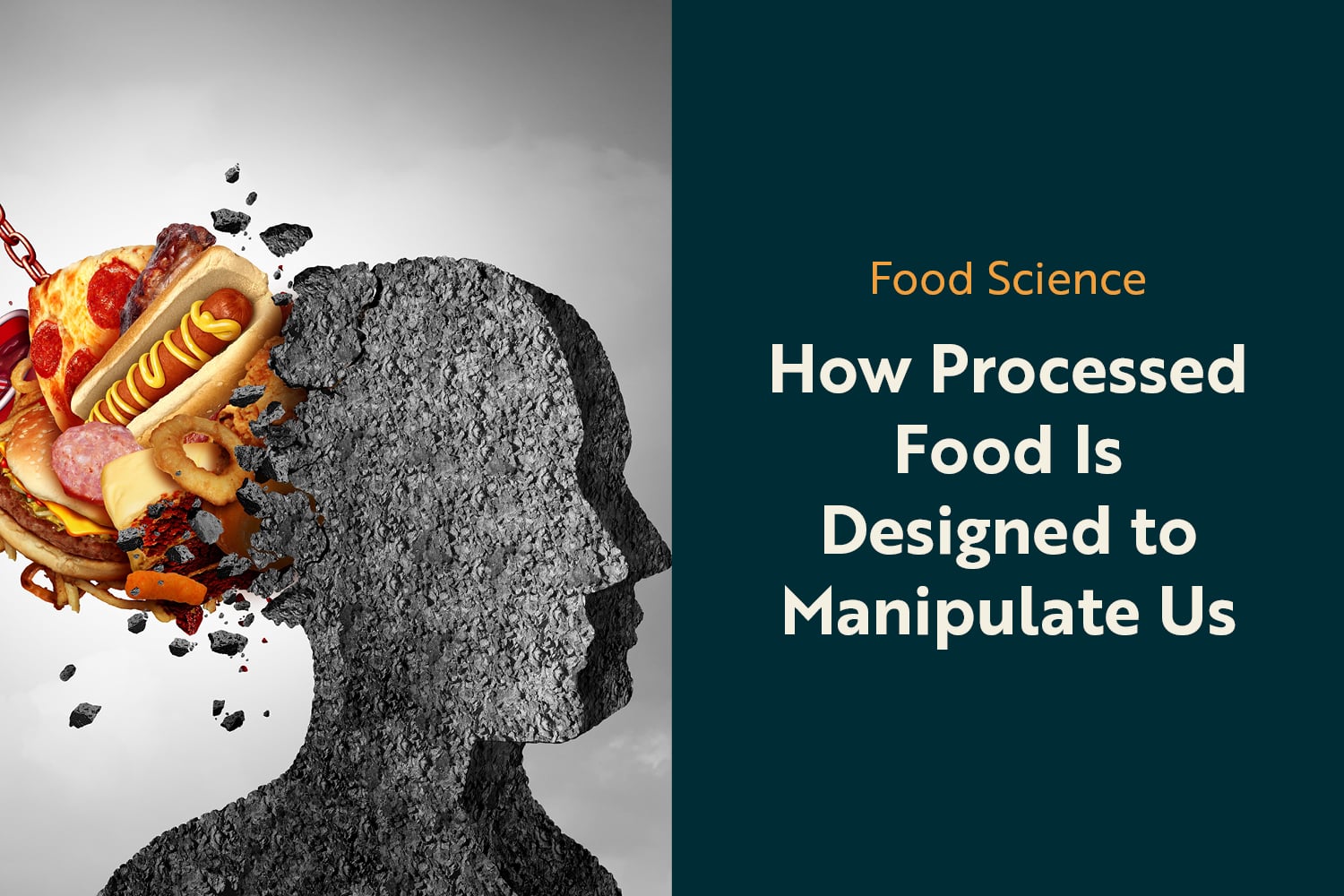
Have you ever wondered why it is so easy to eat a whole packet of crisps but hard to finish a bowl of vegetables? The reason lies in design, not discipline.
Ultra-processed foods are engineered to override your body’s natural limits. Every texture, smell, and flavour is calculated to make you eat more than you intended.
These foods are built around what scientists call the “bliss point”. It is the precise balance of salt, sugar, and fat that creates maximum pleasure.
The effect is immediate. Your brain lights up, releasing dopamine and encouraging you to repeat the experience. The more you eat, the more your brain learns to crave that same reward.
Your body’s natural hunger signals are subtle and slow. Ultra-processed foods replace them with instant stimulation.
The bright flavours and melting textures create a rush that feels satisfying for a moment, then leaves you wanting more. This is not about hunger. It is about habit and reward.
Texture is one of the most effective tricks in food design. Many ultra-processed products are soft, smooth, and quick to chew.
They dissolve easily, giving the illusion of lightness while allowing you to eat a large amount quickly. This property, known as “vanishing caloric density”, keeps you eating before your brain can catch up.
Smell is closely linked to emotion and memory. Food companies know this and use it strategically.
The scent of baked goods in a supermarket or the distinct aroma of a takeaway chain can trigger powerful cravings. Your brain connects the smell with pleasure, prompting you to buy or eat without thinking.
Every bite of a hyper-palatable food reinforces a loop in your brain. You eat, feel pleasure, and remember that feeling.
Soon, you start to crave the food not because you need it, but because your brain expects the reward. The habit becomes self-sustaining, with each repetition strengthening the urge to repeat it.
None of this happens by accident. These foods are tested and reformulated until they achieve the perfect balance of flavour, texture, and aroma.
The goal is not nutrition or satisfaction. It is consumption. Each sensory detail is chosen to maximise the likelihood that you will keep eating.
We often believe we are making free decisions about what to eat. But when products are engineered to exploit our senses, those choices become heavily influenced.
From packaging colours to sound cues, every detail is part of a system designed to guide behaviour. The supermarket becomes a sensory trap rather than a place of nourishment.
The first step is awareness. Recognising how these products work helps you separate real hunger from artificial desire.
Choosing whole, natural foods helps reset your taste buds and retrain your brain. Over time, the intense pull of engineered foods begins to fade.
Real food satisfies without overstimulating. Its flavours are subtle, its textures honest, and its rewards long-lasting.
By moving away from ultra-processed tricks, you give your senses the chance to reconnect with what food is meant to be. A source of nourishment, not manipulation.

We are based in three locations and share buildings with Prestige Dental Care.
