

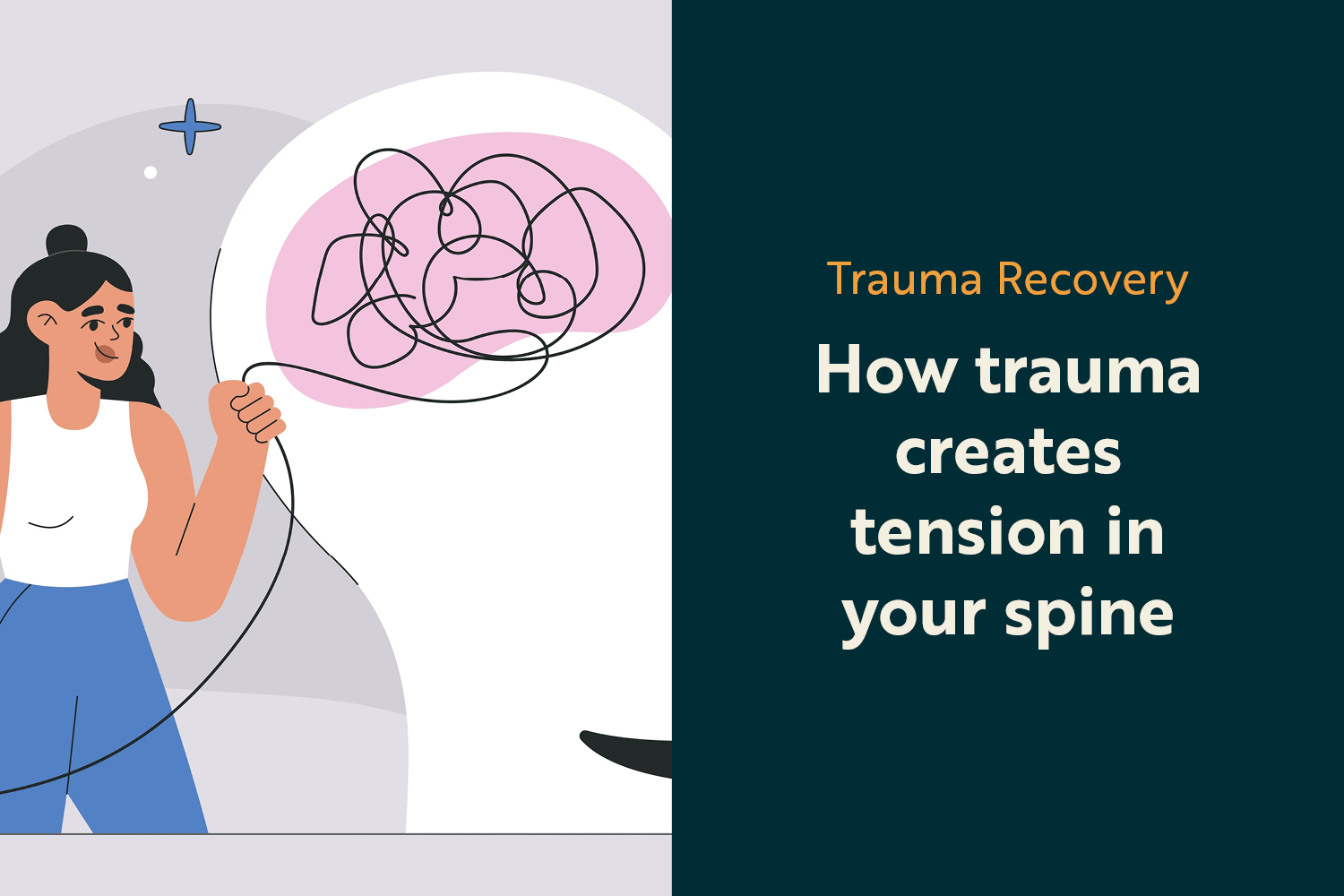
Many people who visit a chiropractor carry chronic tension in their neck, shoulders, or back. Sometimes this tension has a clear physical cause. But often, it reflects a deeper pattern held within the nervous system, a pattern shaped by past overwhelming experiences.
When the body has lived through something it couldn’t fully process at the time, it may stay in a state of high alert long after the event has passed. This can create persistent tightness that doesn’t ease with stretching or rest.
Understanding this connection is the first step toward helping your body feel safe enough to let go.
Your autonomic nervous system is designed to shift between states of calm and states of readiness. In everyday life, it moves fluidly between “rest and digest” and “fight or flight,” depending on what you need.
Trauma can interrupt this flexibility.
An overwhelming event can push the system into a heightened state of threat detection, where the brain becomes primed to scan for danger even in safe environments. This hypervigilance keeps the body braced, alert, and unable to fully settle.
Over time, this constant readiness drains energy and reinforces patterns of tension throughout the spine and surrounding muscles.
When the brain perceives danger, it sends an immediate signal for the muscles to contract. This protective response, or “muscle guarding”, is an ancient survival strategy. It prepares the body to shield itself, run, or defend.
The challenge arises when the nervous system doesn’t receive a clear “all‑clear” signal afterwards. The muscles can remain partially contracted long after the threat has passed.
This is why tension in the shoulders, jaw, or lower back can become a long‑term pattern rather than a temporary reaction. The body isn’t malfunctioning. It’s holding onto a strategy that once felt necessary.
Trauma doesn’t only affect muscle tone. It can also change how you sense your own body. Interoception, your ability to feel internal sensations like tension, heartbeat, or breath, can become muted when the body has learned that feeling too much is overwhelming.
This protective numbing can create a sense of disconnection.
You may not notice how much tension you’re holding until it becomes painful, or you may feel “out of sync” with your own physical cues. Rebuilding this awareness is a key part of healing, because it helps the nervous system recognise what is happening inside the body in real time.
In a trauma‑informed approach, chiropractic care focuses on helping the nervous system feel safe enough to soften its protective patterns. The goal isn’t to force tight muscles to release. It’s to create conditions where the body no longer feels the need to guard so intensely.
Gentle, specific adjustments provide the brain with calm, reliable sensory input. This can help interrupt old threat patterns and support a shift toward regulation.
When the body perceives safety, through touch, pacing, predictability, and respectful care, the autonomic system can begin to settle. As this happens, muscle guarding often eases naturally, and the spine can move with more freedom.
Lasting relief from trauma-related tension involves more than addressing the muscles themselves. It requires helping the nervous system recognise that the danger has passed. When the body feels safe, it can finally release the patterns it has been holding onto, sometimes for years.
This restoration of safety creates the foundation for freer movement, steadier breathing, and a more settled physical state throughout the spine and the whole body.

We are based in three locations and share buildings with Prestige Dental Care.
